History of
Personal Computers
Explore the history of personal computers, from room-sized electronic machines to powerful, connected and AI-powered computers that transformed personal computing.
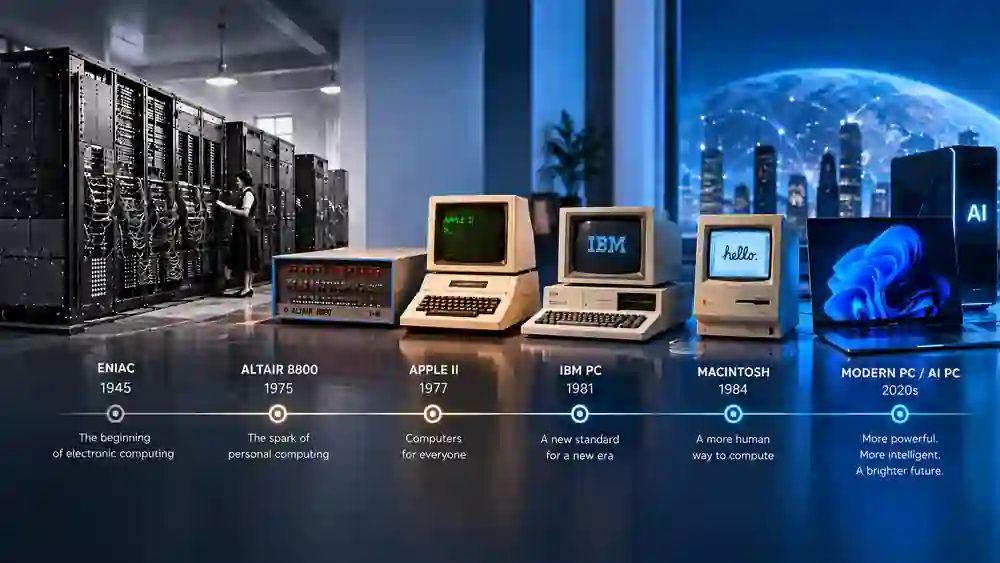
History of Personal Computers: Timeline
The history of personal computers is a story of continuous miniaturization, increasing performance and expanding accessibility. What began with room-sized electronic machines evolved into affordable home computers, graphical desktops, portable laptops and today’s AI-powered systems.
The Evolution of Personal Computing
The history of personal computers did not develop overnight. It is the result of decades of advances in electronics, processors, storage, software and connectivity.
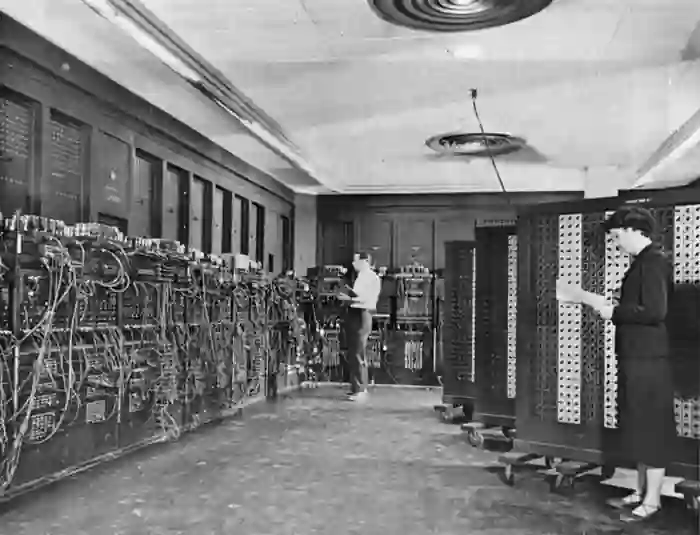 ENIAC — 1945
ENIAC and the Beginning of Electronic Computing
In 1945, ENIAC became one of the first general-purpose electronic computers. It occupied an entire room and relied on thousands of vacuum tubes to perform calculations.
These machines were built for institutions, scientific research and large-scale calculations, rather than individual users. Nevertheless, they established an important foundation for the electronic computers that followed.
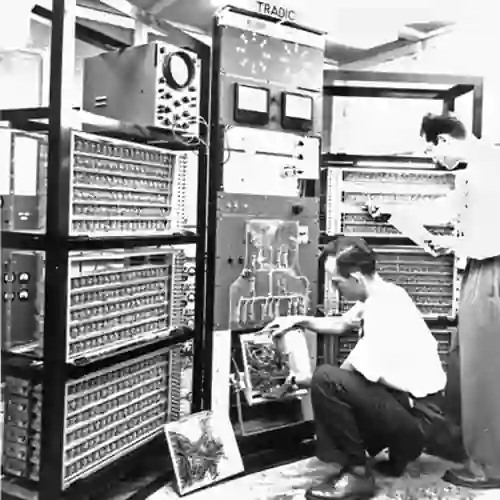 The transistor era
Transistors and the Rise of Mainframe Computers
The invention and adoption of the transistor transformed computing. Compared with vacuum tubes, transistors were smaller, more reliable and more efficient.
During the 1950s and 1960s, computers became increasingly practical for governments, universities and large organizations. Mainframe systems dominated computing, but the technology was moving toward smaller machines.
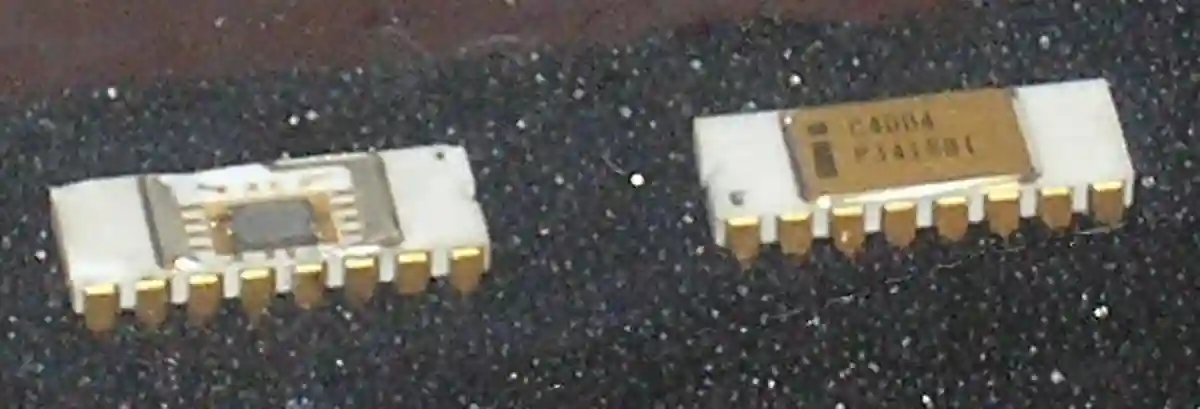 Intel 4004 — 1971
Intel 4004 Brings the CPU Onto a Chip
In 1971, the Intel 4004 introduced a major breakthrough: a complete programmable microprocessor implemented on a single chip.
Microprocessors made it possible to build increasingly compact and affordable electronic systems. This technological shift would become one of the foundations of personal computing.
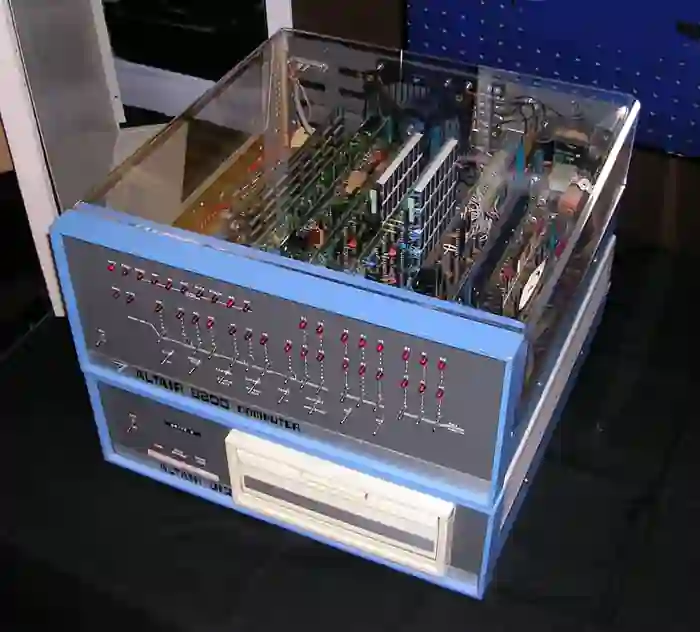 Altair 8800 — 1975
Altair 8800 and the Birth of the Personal Computer
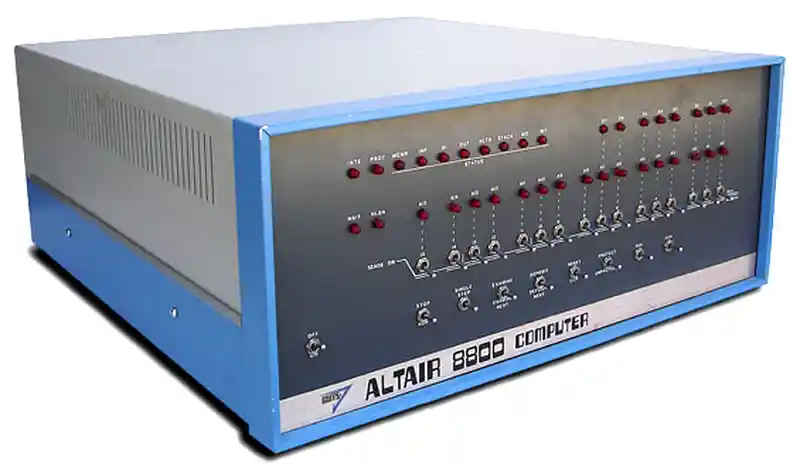
The Altair 8800, introduced in 1975, became an important milestone in the history of personal computers. Built around the Intel 8080 processor, it attracted electronics enthusiasts and hobbyists.
Its appearance demonstrated that computing technology could move beyond laboratories and large institutions and become something individuals could own and experiment with.
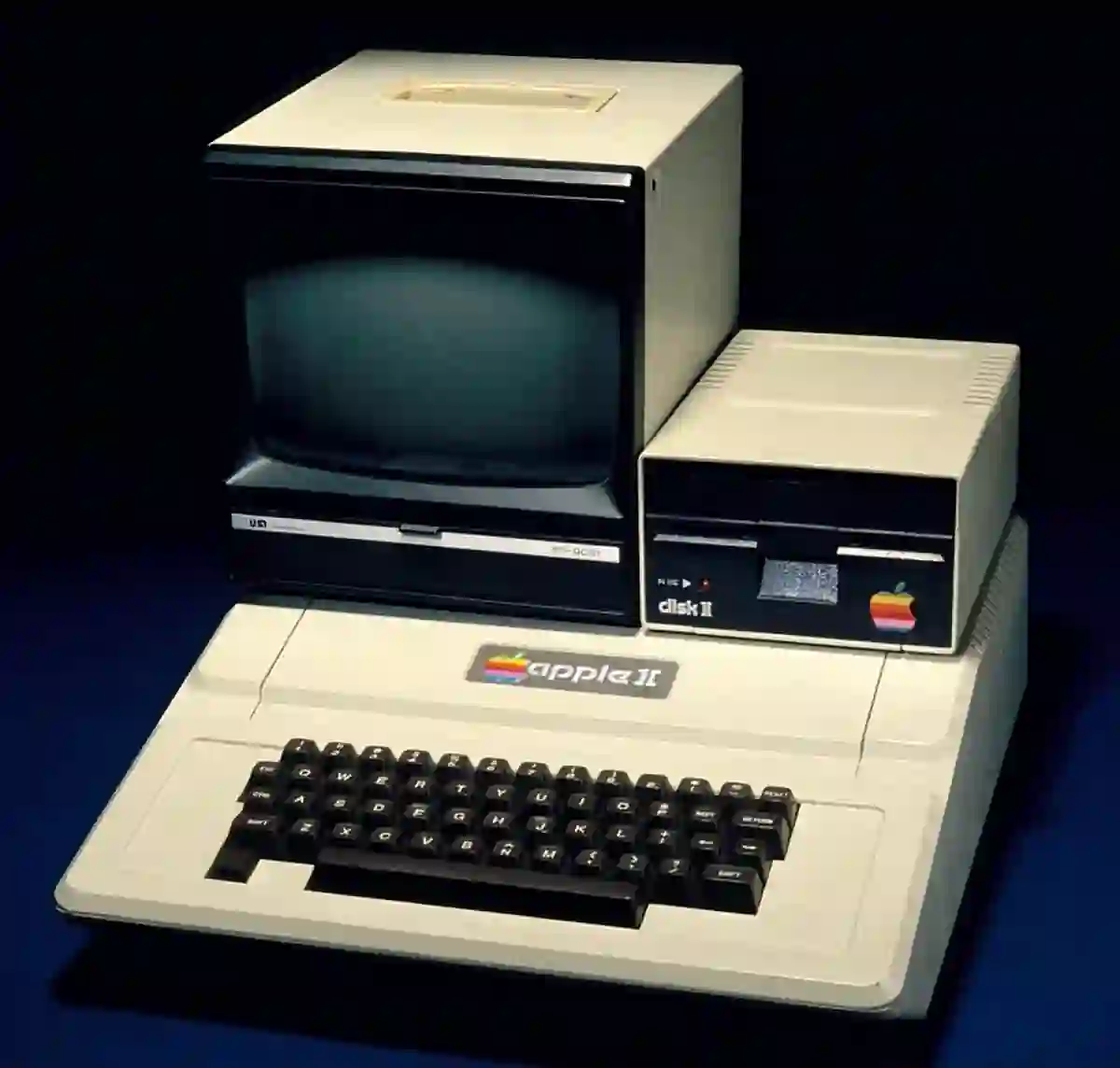 The 1977 home computer wave
Apple II and the First Wave of Home Computers
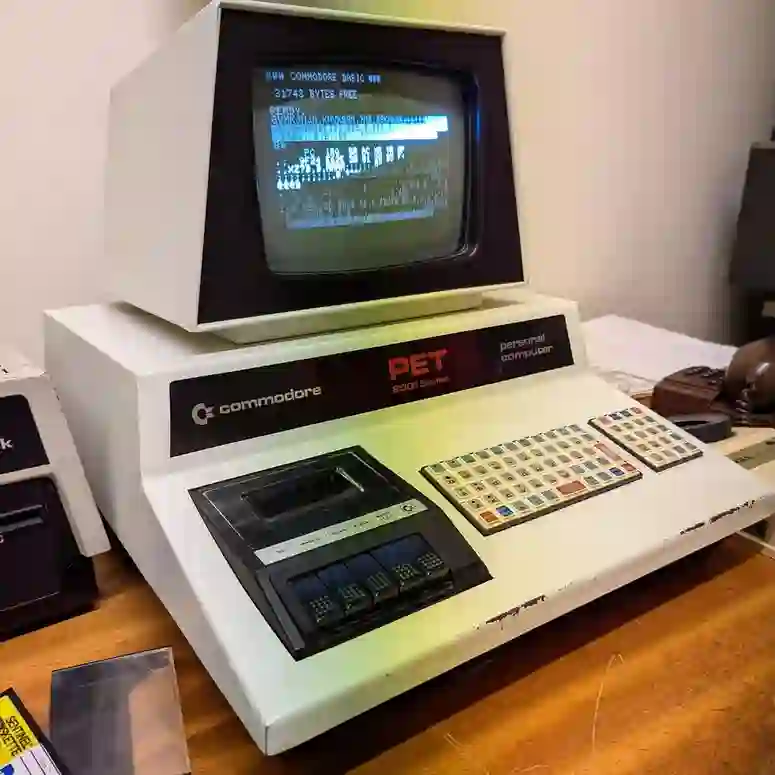
By 1977, personal computing began reaching a broader audience. The Apple II, Commodore PET and TRS-80 helped establish the idea of a computer designed for individual and home use.
Instead of being primarily experimental machines, these systems were becoming practical tools for programming, education, productivity and entertainment.
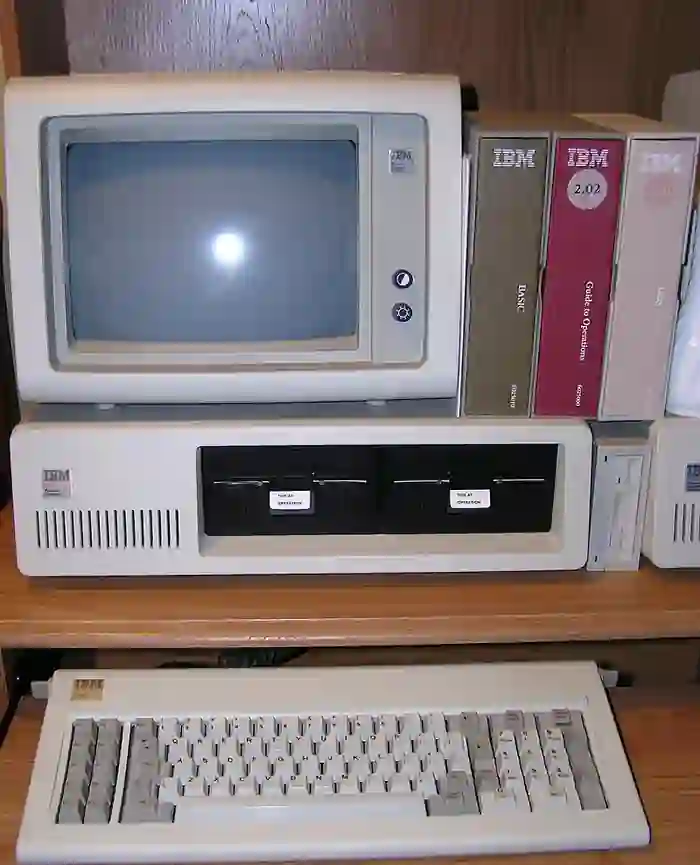 IBM PC 5150 — 1981
The IBM PC Changes the Industry
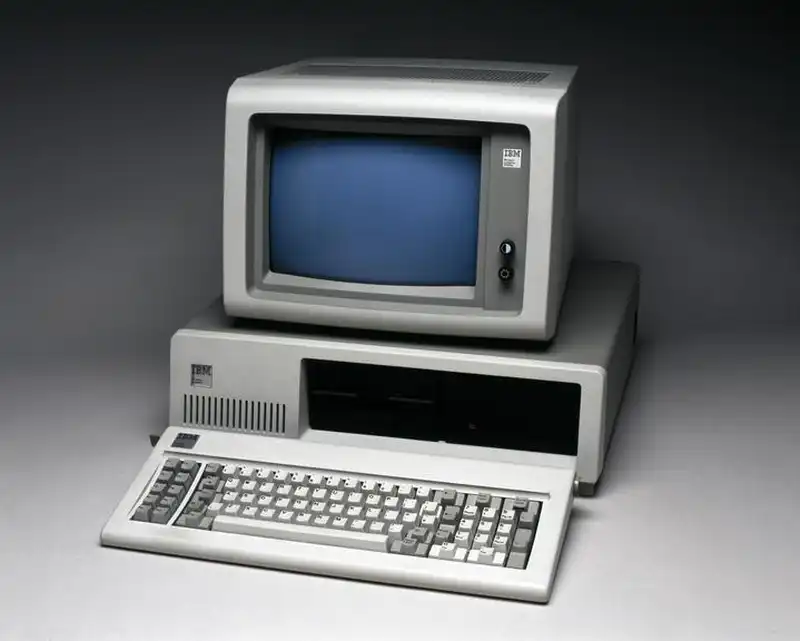
IBM entered the personal computer market in 1981 with the IBM PC 5150. Its combination of established hardware, an Intel processor and Microsoft’s MS-DOS operating system helped establish a powerful industry standard.
The success of the IBM-compatible platform contributed to a large ecosystem of hardware manufacturers and software developers, shaping the PC industry for decades.
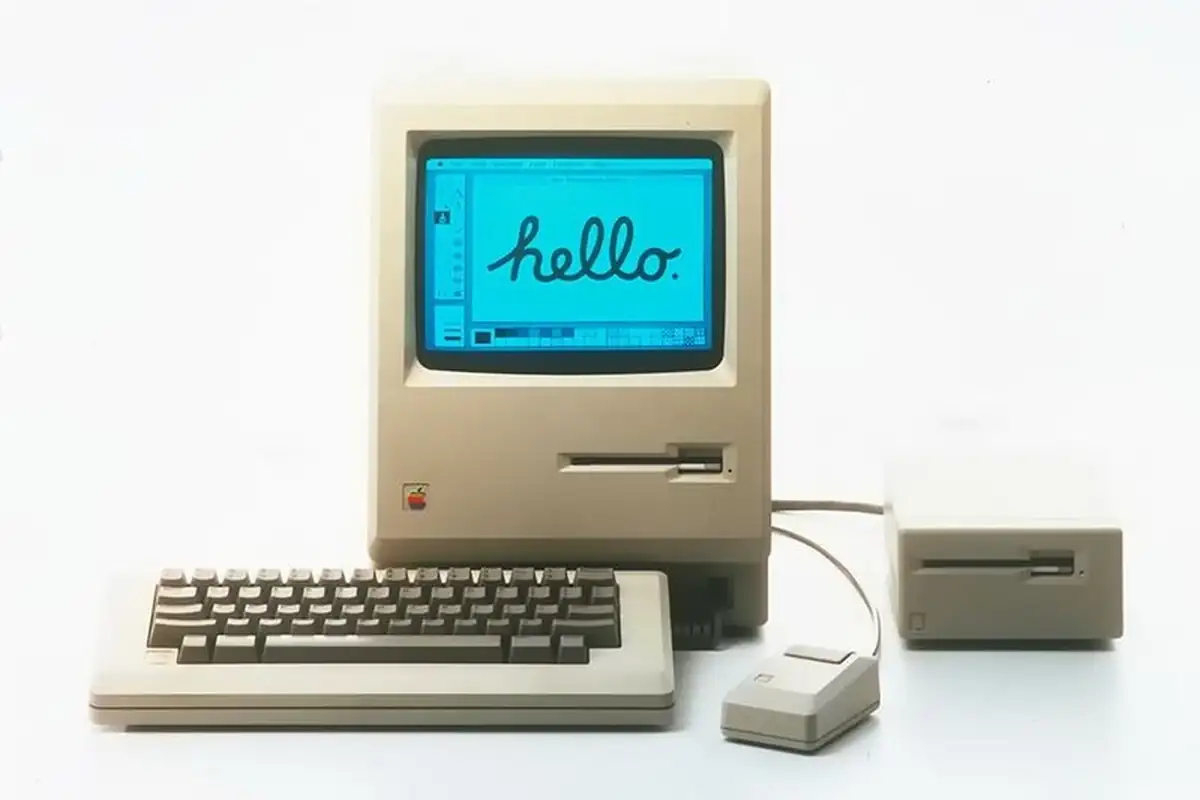 Macintosh — 1984
Macintosh Makes Graphical Computing More Accessible
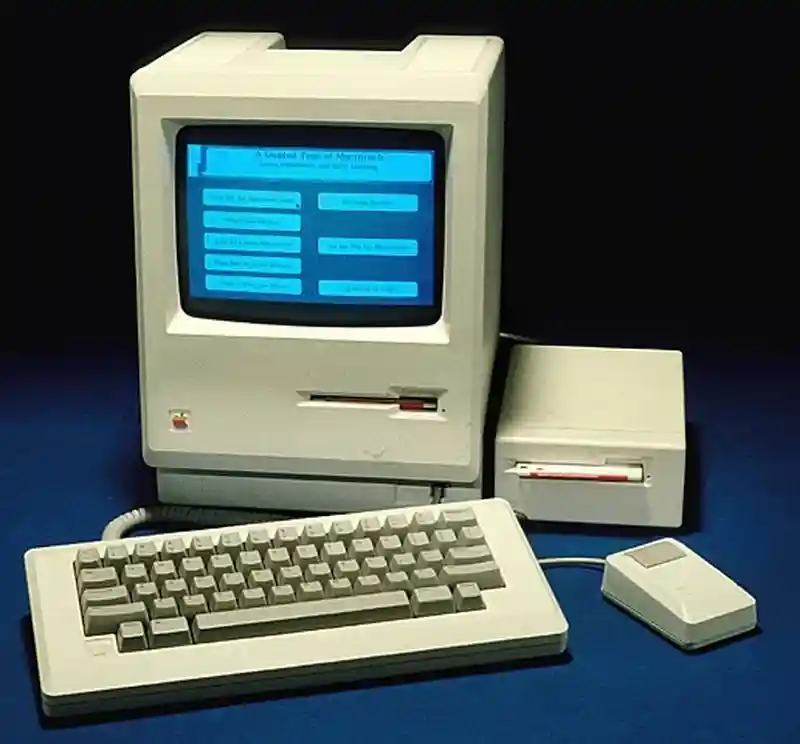
In 1984, Apple introduced the Macintosh with a graphical user interface, icons and mouse-based interaction designed to make computing more approachable.
The graphical interface represented an important shift in how people interacted with computers, moving away from command-based interaction toward visual and point-and-click computing.
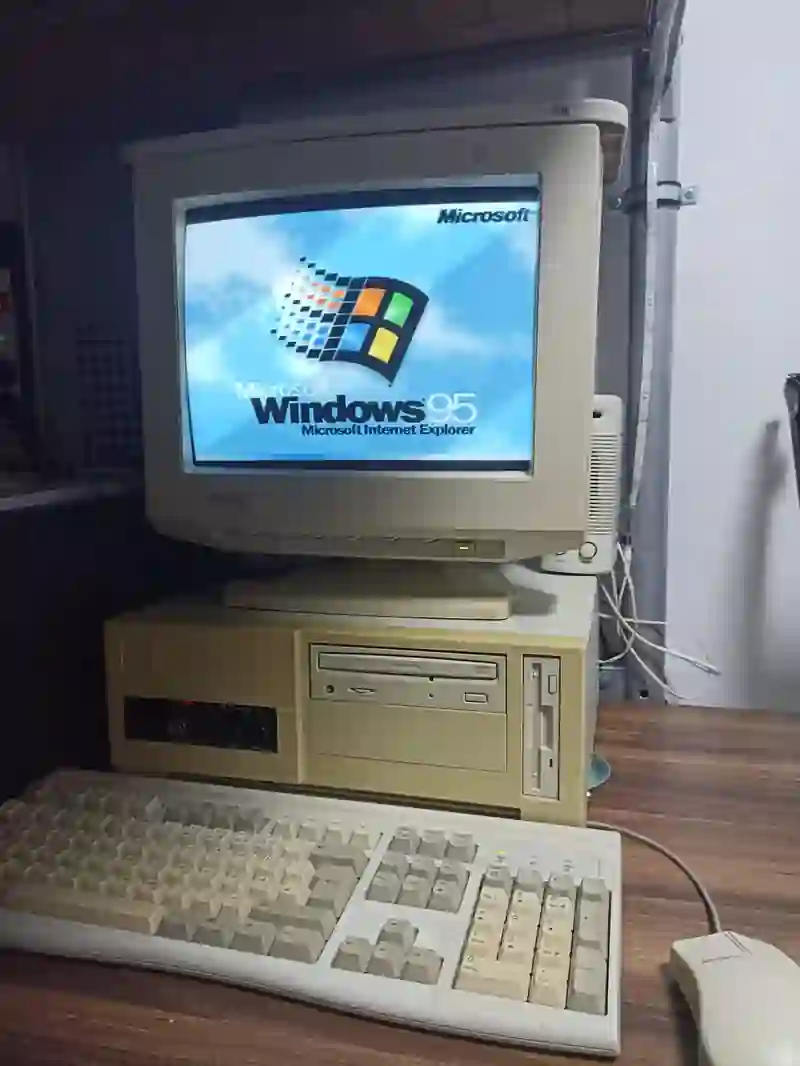 Windows & the Internet
Windows, the Web and the Connected Computer
During the 1990s, personal computers became increasingly common in homes, schools and businesses. Graphical operating systems such as Windows made software easier to use and helped create a massive PC ecosystem. Read more about the history of Windows and its impact on personal computing.
At the same time, the growing public Internet transformed the role of the computer. Email, web browsing and online communication turned the PC from a standalone machine into a connected gateway to information.
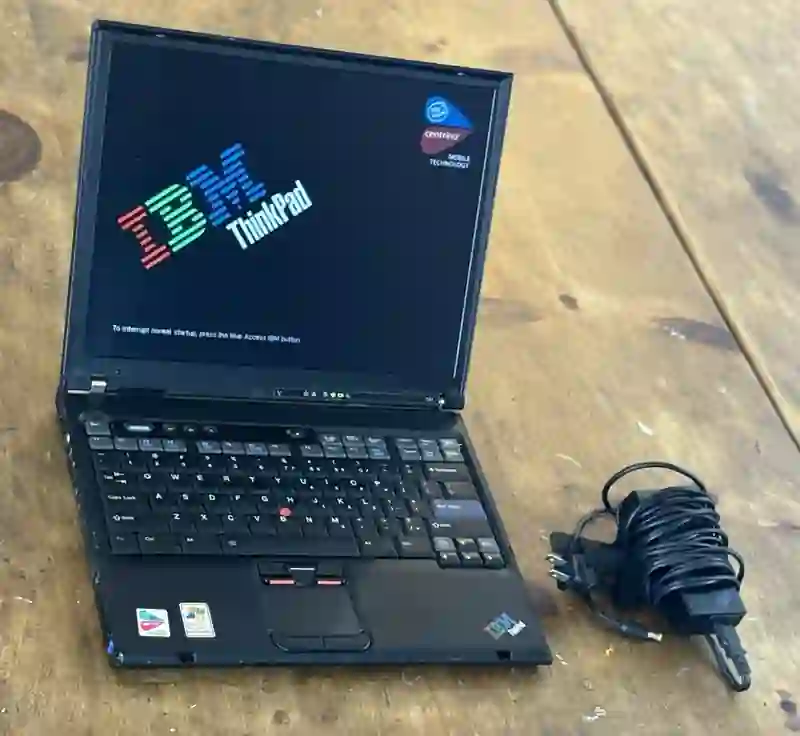 The laptop revolution
The Laptop Revolution
During the 2000s, laptops became increasingly powerful, portable and affordable. Wireless networking allowed users to access the Internet without remaining tied to a desktop workstation.
Improvements in processors, batteries, displays and storage gradually transformed the laptop into a practical everyday computer for work, education and entertainment.
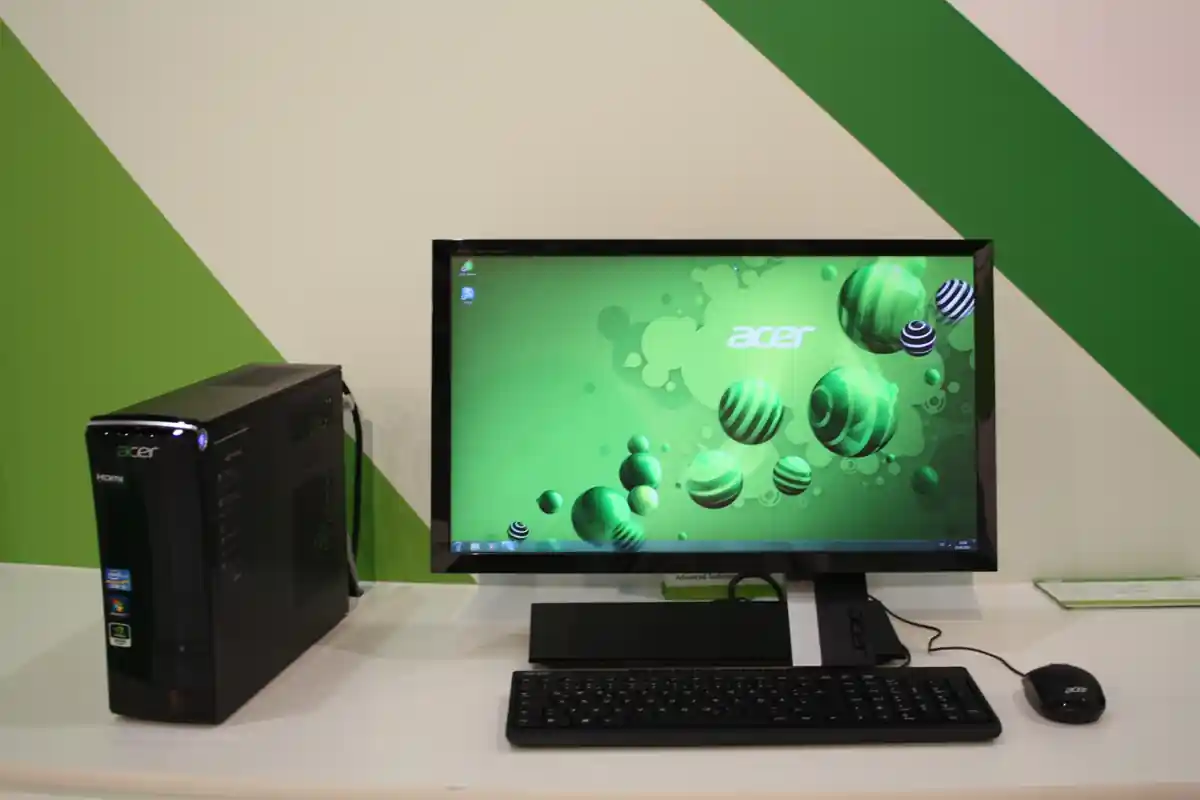 The modern PC era
SSDs, Multi-Core CPUs and Modern PC Performance
The 2010s brought major improvements in performance and efficiency. Multi-core processors became standard while solid-state drives dramatically improved storage speed and responsiveness.
Dedicated GPUs also became increasingly important not only for gaming and graphics, but for parallel workloads such as video production, scientific computing and machine learning.
 The AI PC era
The Rise of the AI PC
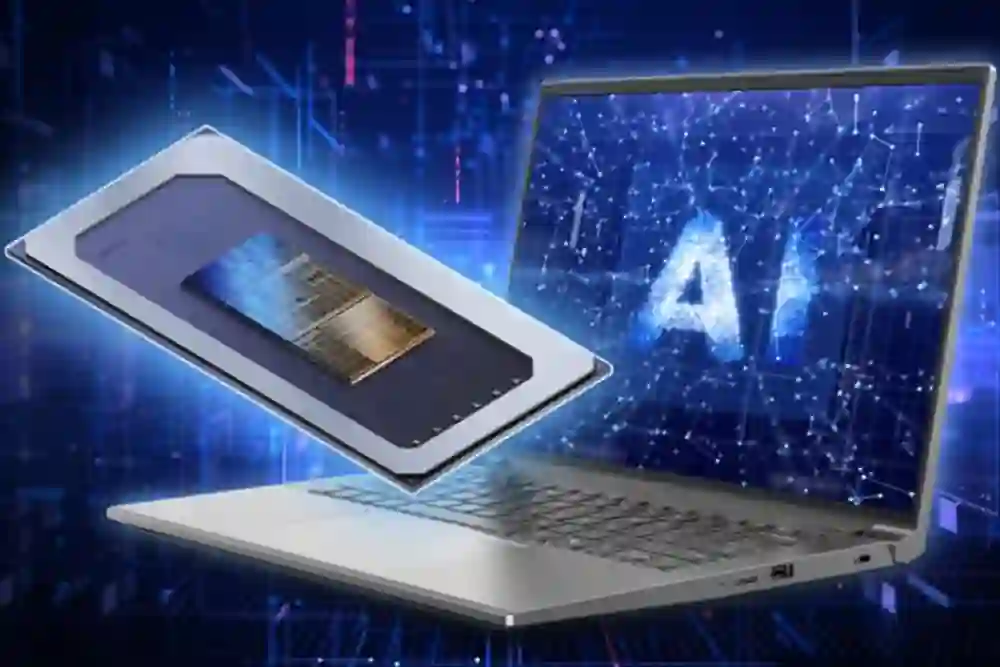
Personal computers are entering another major transition as artificial intelligence becomes integrated into operating systems and everyday applications.
Modern systems increasingly combine CPUs, GPUs and dedicated neural processing units, or NPUs, to handle AI workloads locally and efficiently. This marks a new stage in the evolution of personal computing.
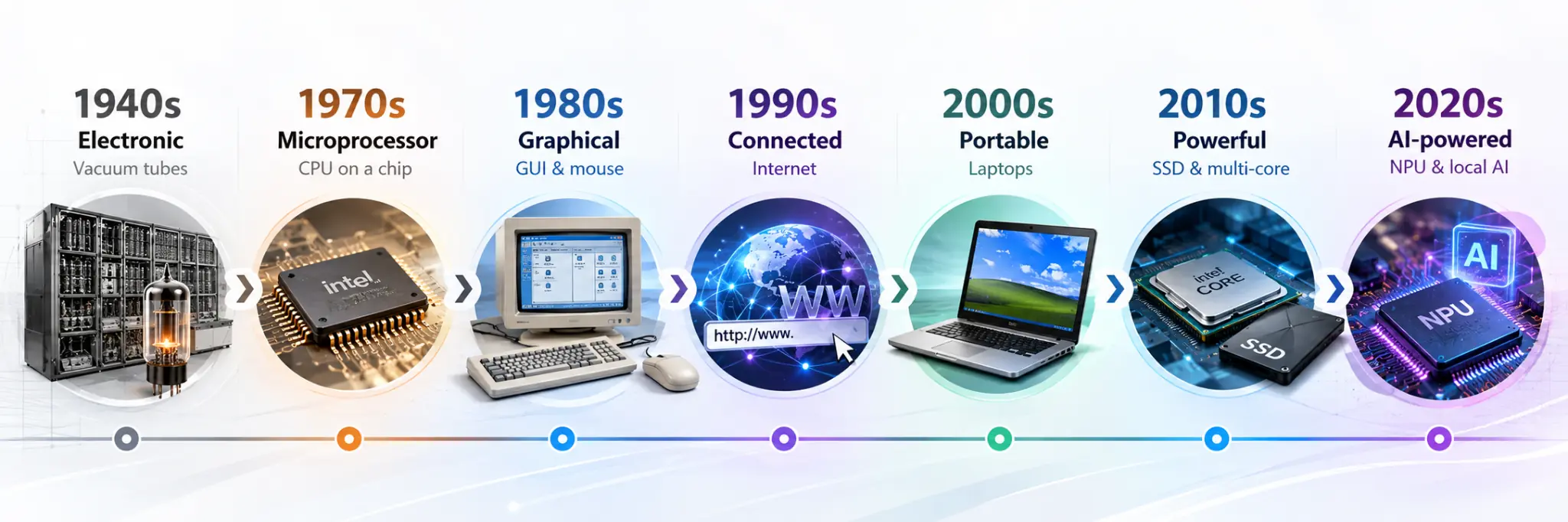
How Personal Computers Evolved
Across the history of personal computers, each generation became smaller, faster, more connected and increasingly intelligent. New technologies changed how people interact with computing and expanded what a PC could do.
What changed inside the PC?
Smaller, faster CPUs
Processing moved from room-sized systems to compact, multi-core processors.
More data in less space
Storage evolved from early magnetic media to compact, high-speed solid-state drives.
From text to 3D
Graphics hardware transformed simple displays into powerful visual computing platforms.
From isolated to global
Networks and the Internet turned the PC into a connected gateway to information and communication.
Computing anywhere
Smaller components, better batteries and wireless networking made powerful computing portable.
AI becomes part of the PC
Dedicated AI accelerators such as NPUs are bringing selected machine-learning workloads directly to PCs.
The history of the personal computer is a continuous process of miniaturization, performance improvements and new ways of interacting with technology.
Machines That Changed Computing
Several machines became major turning points in the history of personal computers. Their designs, processors and interfaces helped define how personal computing developed over the following decades.
ENIAC
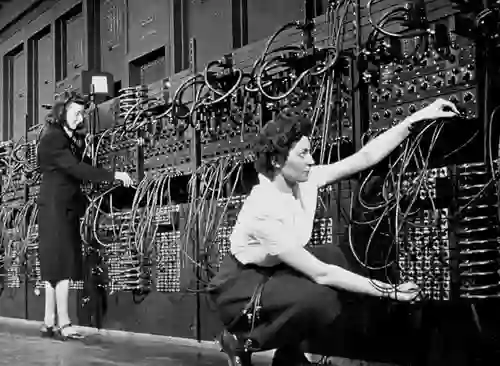
One of the earliest general-purpose electronic computers, ENIAC demonstrated the enormous potential of electronic digital computing.
Developed during the Second World War, ENIAC occupied a huge physical space and used thousands of vacuum tubes. Its scale seems extraordinary today, but it established a foundation for the generations of electronic computers that followed.
 1971
1971
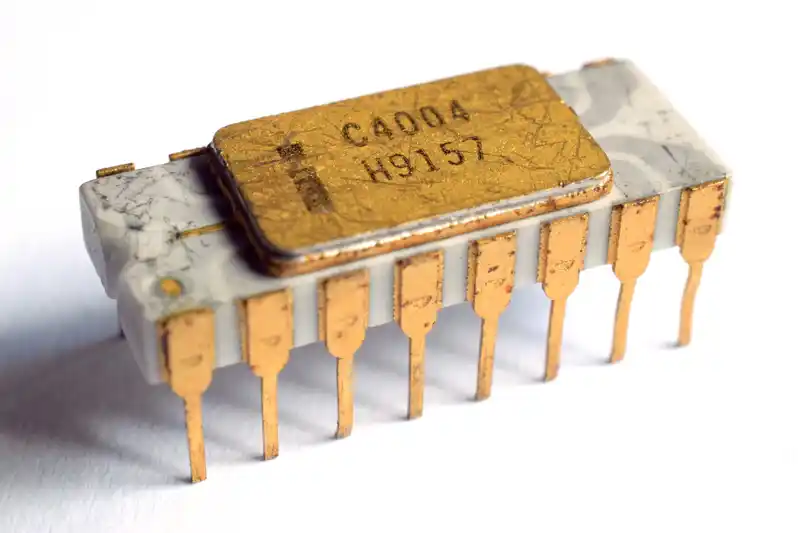
Intel 4004
The Intel 4004 helped demonstrate that a central processing unit could be built into a single microprocessor chip.
 1975
1975
Altair 8800
The Altair 8800 became a landmark of the early personal computer movement and inspired a new generation of hobbyists.
 1977
1977
Apple II
The Apple II helped bring personal computing into homes, schools and small businesses through a more complete ready-to-use computer system.
 1981
1981
IBM PC
IBM’s PC established a highly influential hardware and software platform that shaped the personal computer industry.
 1984
1984
Macintosh
The original Macintosh helped popularize graphical user interfaces and mouse-driven interaction for personal computers.
Together, these machines illustrate the transformation of computing from specialized electronic equipment into a technology designed for individuals, families, businesses and eventually billions of connected users. To understand the technology behind these systems, explore what a computer is and how its main components work together.
The Future of Personal Computers
The next chapter in the history of personal computers will be shaped by AI, energy efficiency, hybrid computing and increasingly capable processors. These technologies are changing what computers can process directly on the device.
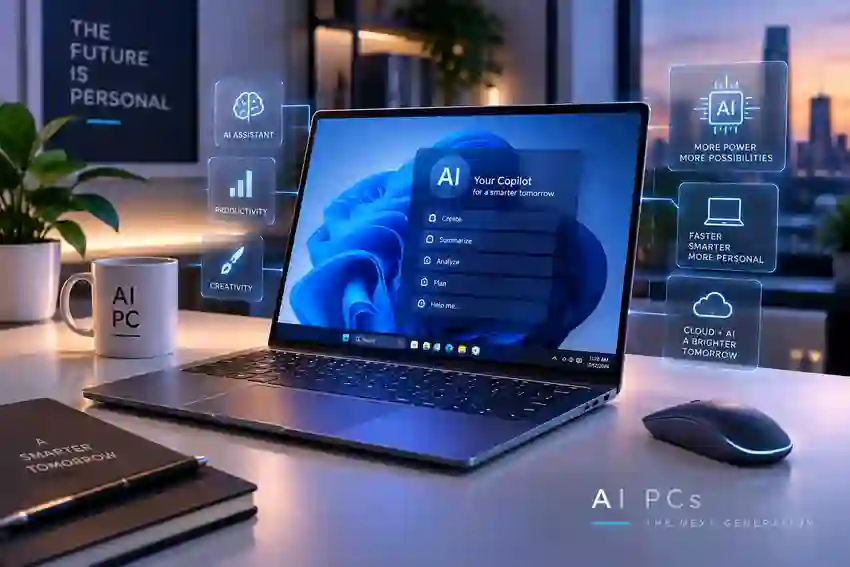
Computing is becoming more intelligent.
Personal computers are increasingly designed to run AI workloads directly on the device, combining traditional processors with dedicated acceleration hardware.
Where computing is heading
More intelligence directly on the PC
AI features are increasingly being processed locally. Dedicated neural processing hardware can accelerate selected workloads without sending every operation to a remote server.
More performance per watt
Processor designers are increasingly focused on efficiency, helping computers deliver more performance while controlling power consumption and heat.
Local and remote computing working together
Future systems will continue to combine local processing with cloud services, allowing demanding workloads to be distributed according to performance, latency and privacy requirements.
CPU, GPU and NPU working together
Instead of relying on one type of processor, future PCs will increasingly combine different computing engines, each optimized for specific workloads.
The personal computer is still evolving.
What began as a machine built to perform calculations has become a platform for communication, creativity, entertainment, scientific discovery and increasingly intelligent software.
Frequently Asked Questions
Explore the most common questions about the history, evolution and future of personal computers.
The Altair 8800, introduced in 1975, is widely regarded as one of the first commercially successful personal computers.
The personal computer was not invented by a single person. Engineers and companies such as MITS, Apple, IBM and others contributed to its development.
Intel introduced the 4004 microprocessor in 1971. It placed the central processing unit on a single chip.
Introduced in 1981, the IBM PC helped establish an important industry standard and a broad ecosystem of compatible hardware and software.
Laptops became increasingly popular during the 1990s and 2000s as processors, batteries, displays and storage became smaller and more capable.
An AI PC is a computer designed with dedicated hardware, such as an NPU, to efficiently run certain artificial intelligence workloads locally.
References
This overview of the history of personal computers is based on established computing history archives, museums and institutional sources.
Computer History Museum
Historical collections and exhibits documenting the development of computers, microprocessors, personal computers and software.
Smithsonian Institution
Museum collections and historical resources covering important machines and milestones in the history of computing.
U.S. Army Research Laboratory
Historical material documenting early electronic computing, including archival information and photographs related to ENIAC.
Wikimedia Commons
Repository of freely licensed and public-domain historical photographs and media used for visual documentation.
Dates and historical descriptions are presented as a concise overview of major milestones in personal computing. Some developments overlap across periods and cannot be attributed to a single machine or inventor.