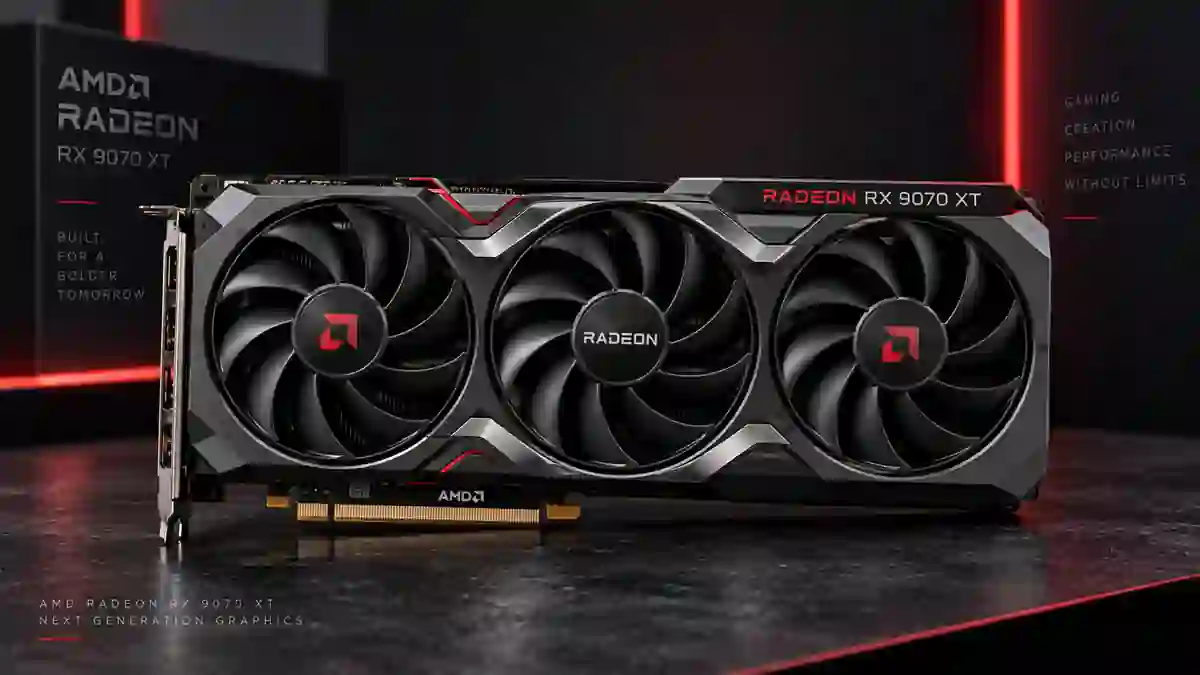
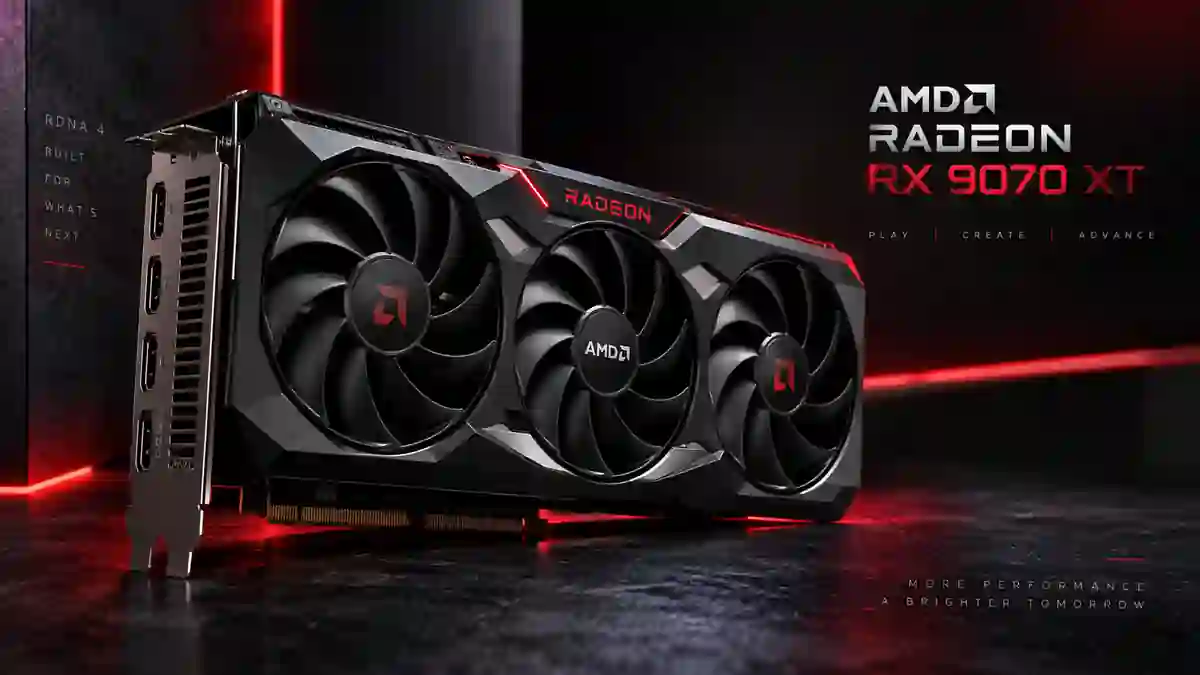

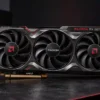

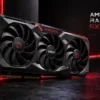
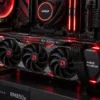

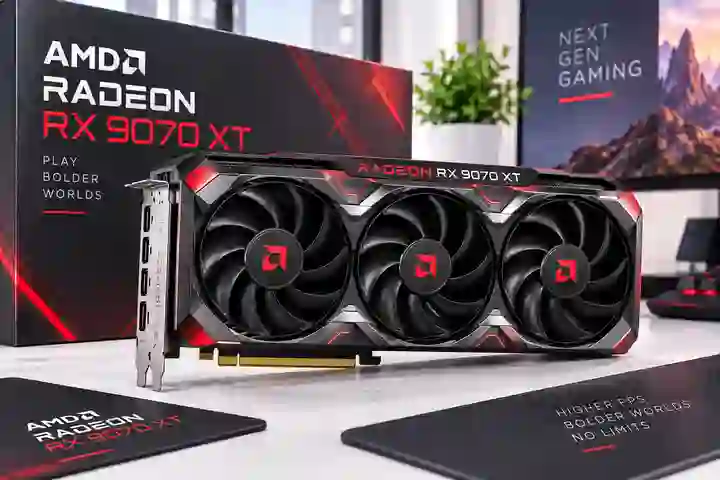
The RX 9070 XT looks like an easy recommendation on paper. But in 2026, the real question is not how fast this GPU can run—it’s whether the card still makes sense for your gaming setup, your budget, and the price you can actually find it for. Here’s where the RX 9070 XT earns its place, and where another GPU may be the smarter choice.
01
GAMING PERFORMANCE
RX 9070 XT Gaming Performance
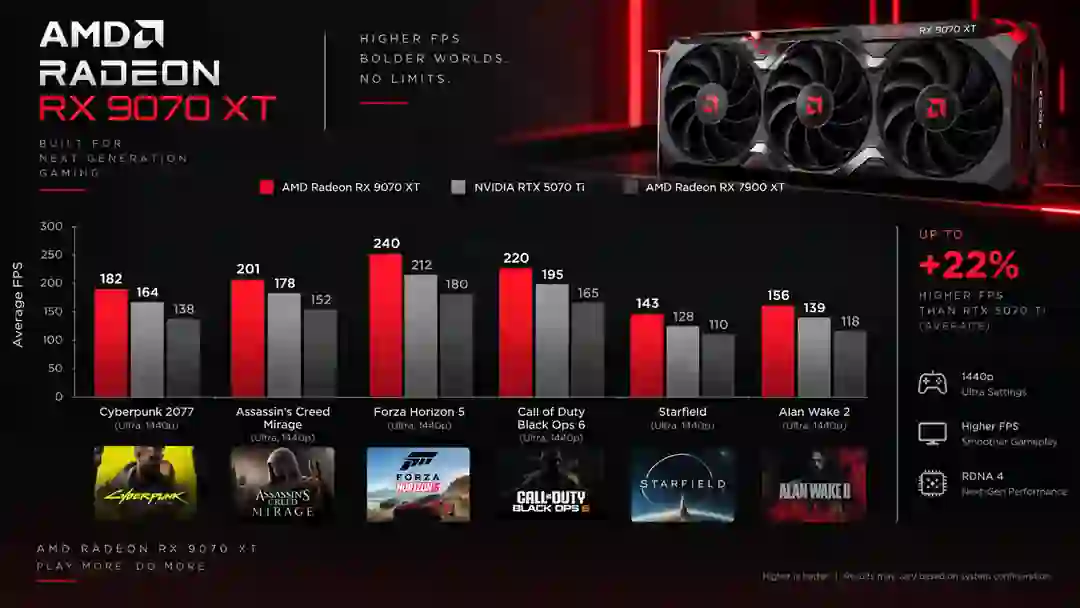
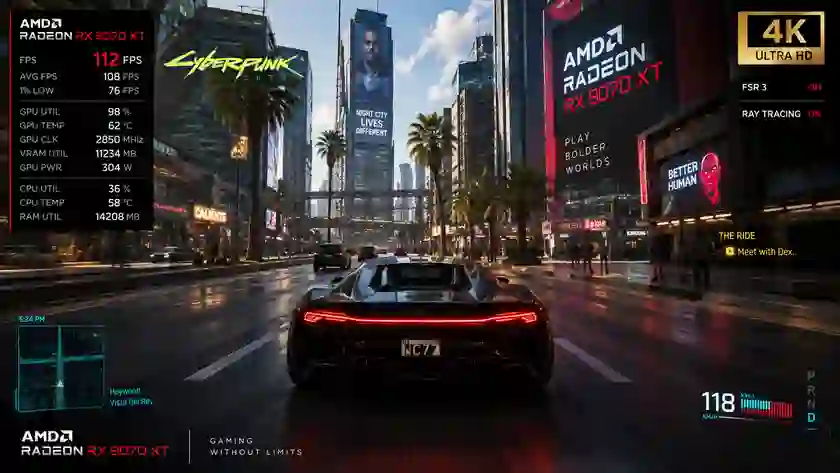
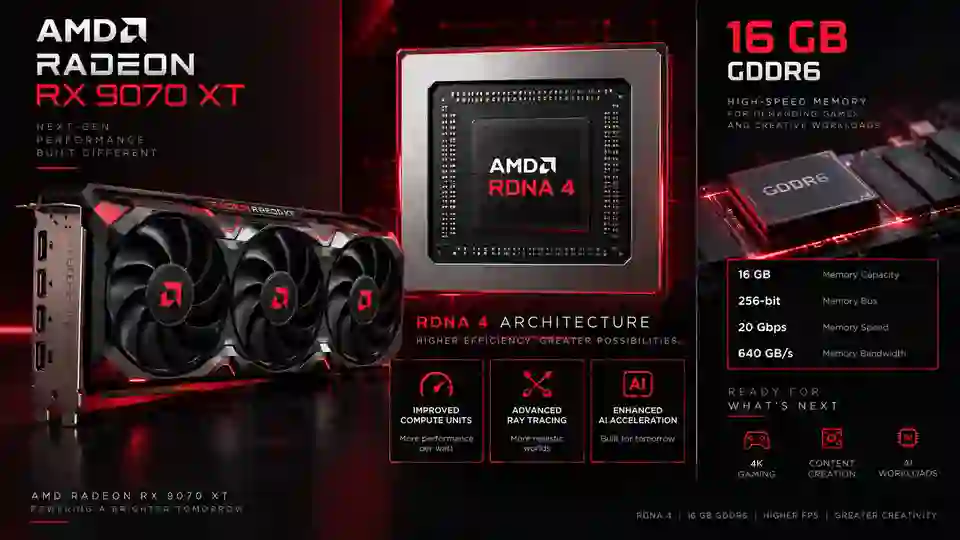
The RX 9070 XT is built for high-refresh-rate 1440p gaming and delivers a strong 4K experience when you use the right settings.
AMD
RADEON
RX 9070 XT
1440p
1440p Gaming
This is where the RX 9070 XT feels most comfortable. It delivers strong performance in demanding games and is well suited to high-refresh-rate monitors.
4K
4K Gaming
The RX 9070 XT can handle 4K gaming very well. In demanding titles, FSR can help maintain smoother frame rates without giving up image quality.
16
GB
VRAM
Is 16GB VRAM Enough in 2026?
For most 1440p gaming and a large portion of 4K gaming, 16GB of VRAM provides comfortable headroom for high-resolution textures and modern games.
★
OUR TAKE
1440p is the sweet spot.
If you’re moving to 4K, the RX 9070 XT still has the performance and VRAM capacity to make the upgrade worthwhile.
BEST FOR
1440p High-FPS Gaming
4K PERFORMANCE
Strong With FSR
VRAM ADVANTAGE
16GB for Modern Games
02 — THE COMPETITION
RX 9070 XT vs RTX 5070 & RTX 5070 Ti
The RX 9070 XT sits in one of the most competitive parts of the GPU market. The question is not simply which card is faster, but which one gives you the right balance of performance, VRAM, features and price.
AMD
BEST VALUERadeon RX 9070 XT
16GB
GDDR6 VRAM
1440p
Excellent
4K
Very Strong
Raster Gaming
Excellent
Ray Tracing
Very Good
VRAM Headroom
Excellent
WHY IT STANDS OUT
Strong gaming performance, 16GB of VRAM and a compelling value proposition for 1440p and 4K gamers.
NVIDIA
GeForce RTX 5070
12GB
GDDR7 VRAM
1440p
Excellent
4K
Good
Raster Gaming
Very Good
Ray Tracing
Excellent
VRAM Headroom
Good
WHO SHOULD CONSIDER IT?
Gamers who value NVIDIA’s ray tracing performance, DLSS and broader software ecosystem.
NVIDIA
GeForce RTX 5070 Ti
16GB
GDDR7 VRAM
1440p
Excellent
4K
Excellent
Raster Gaming
Excellent
Ray Tracing
Excellent
VRAM Headroom
Excellent
WHO SHOULD CONSIDER IT?
Buyers willing to spend more for stronger ray tracing and NVIDIA’s feature ecosystem.
01
OUR TAKE
The RX 9070 XT is the value play.
Against the RTX 5070, AMD has a particularly strong case: the RX 9070 XT combines higher gaming performance in many rasterized workloads with 16GB of VRAM.
The RTX 5070 Ti is a much closer match. NVIDIA has the edge in demanding ray-tracing workloads, while the RX 9070 XT can deliver similar overall gaming performance at a more attractive price when properly discounted.
THE SIMPLE CHOICE
Which GPU makes the most sense for you?
03
THE TECHNOLOGY
FSR 4, Ray Tracing & Power
The RX 9070 XT is more than raw GPU performance. AMD’s RDNA 4 architecture brings a stronger focus on upscaling, ray tracing and AI-powered features, but power consumption remains part of the equation.
01
UPSCALING
FSR 4 makes demanding games easier to run
AMD’s FSR technology can reconstruct a lower-resolution image into a higher-resolution output, helping the RX 9070 XT maintain smoother frame rates in demanding games.
For 4K gaming, this can make a noticeable difference when native rendering becomes too demanding.
FSR
UPSCALING
02
RAY TRACING
Better than before, but NVIDIA still leads
RDNA 4 improves AMD’s ray-tracing capabilities, making the RX 9070 XT much more competitive in games using advanced lighting effects.
However, NVIDIA remains the safer choice if ray tracing and path tracing are central to your gaming experience.
RAY TRACINGVERY GOOD
Stronger than previous AMD generations
03
POWER
304W means your PSU matters
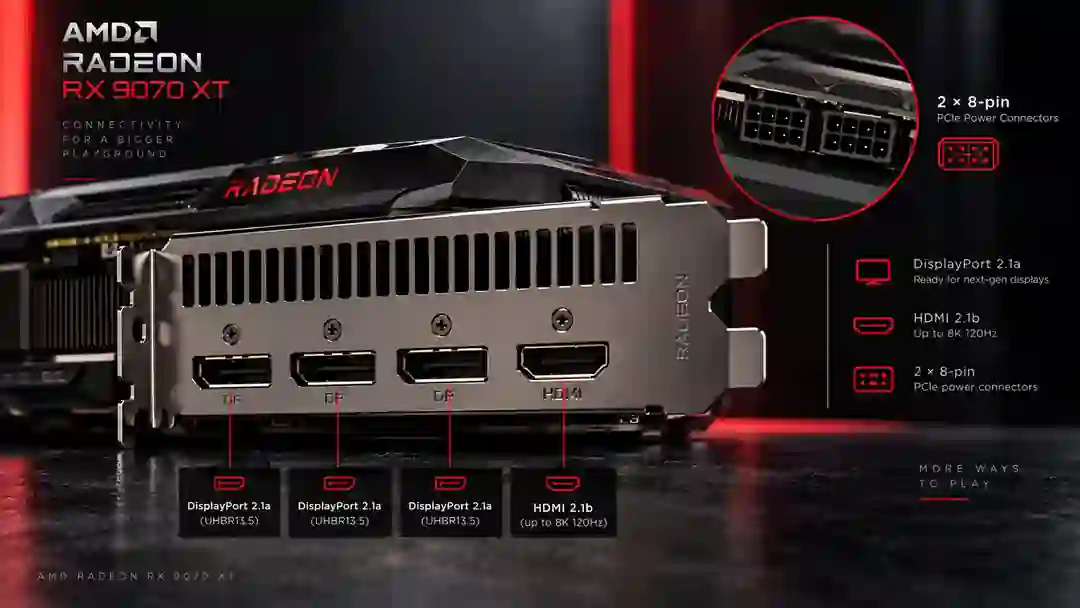
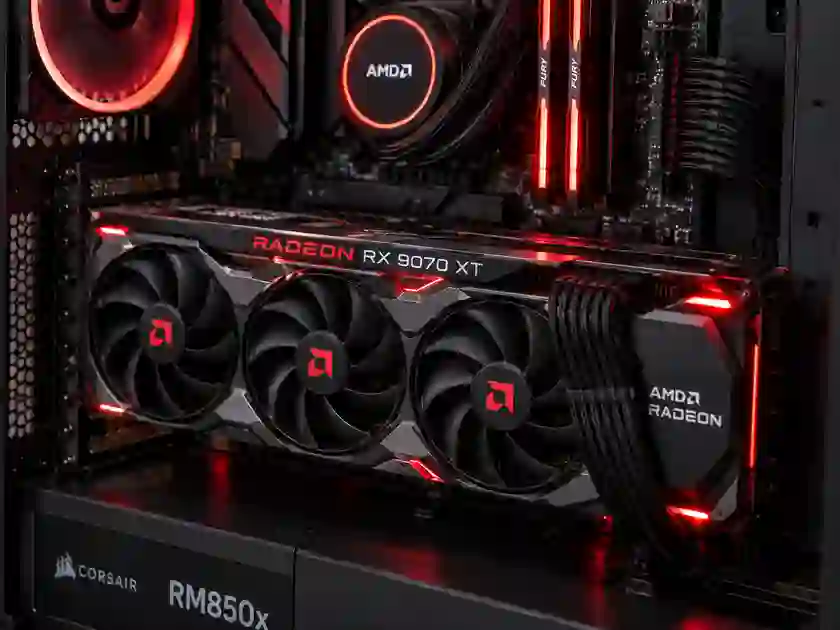
The RX 9070 XT has a typical board power of 304W, so this is not a graphics card designed around ultra-low power consumption.
AMD recommends a 750W power supply, giving the card enough headroom for a typical high-performance gaming system.
TBP304W
AMD RECOMMENDATION750W PSU
THE BOTTOM LINE
The RX 9070 XT’s technology is strongest when it works together.
Use its raw performance for high-resolution gaming, enable FSR when you need extra frame rate, and treat ray tracing as an added feature rather than the card’s main selling point. Just make sure your power supply is ready for a 304W GPU.
04
THE RIGHT MODEL
Which RX 9070 XT Model Should You Buy?
Every RX 9070 XT uses the same GPU, but the cooler, size, acoustics and extra features can make one version a much better fit for your build than another.
OUR TOP PICK
Sapphire Nitro+
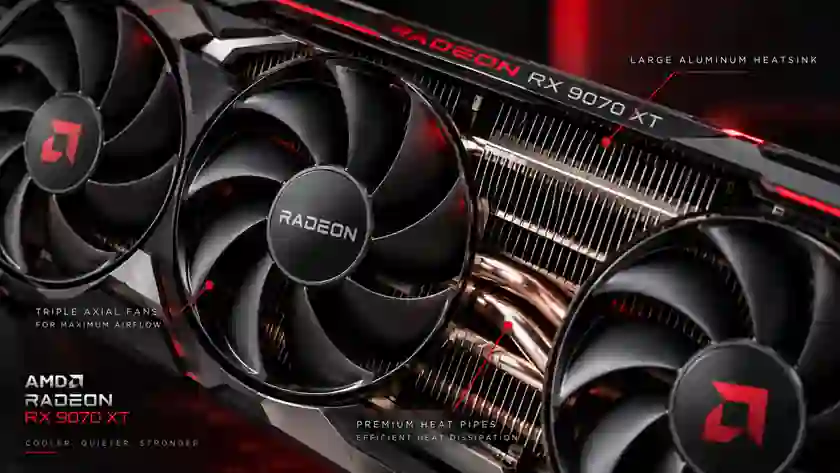
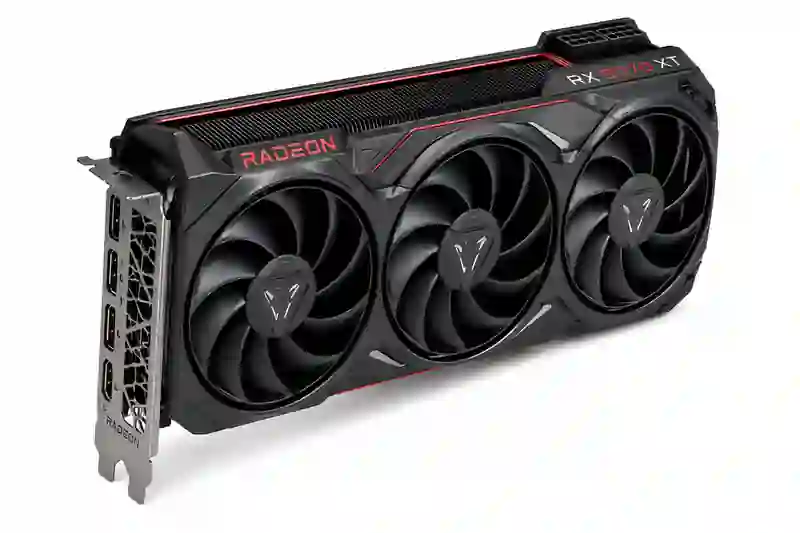
If you want a premium RX 9070 XT without moving into an entirely different GPU class, the Nitro+ is one of the most complete options. It combines a large cooler, strong thermal performance and a premium design.
01
Premium cooling
02
Strong acoustics
03
Premium build
SAPPHIRE
NITRO+
01
VALUE
Sapphire Pulse
A straightforward option for buyers who care more about getting the GPU at a good price than premium extras.
02
BALANCED
PowerColor Hellhound
A strong middle ground when you want good cooling and a well-rounded design without paying for the flagship models.
03
PREMIUM
XFX Mercury
Built around an oversized cooler and a more feature-rich design. It is an excellent choice if size is not a concern.
02
THE BUYING RULE
Don’t pay a huge premium for a few extra degrees.
The differences between custom RX 9070 XT cards are often smaller than their price gaps. A premium model makes sense when you value lower temperatures, quieter operation, build quality or specific features. Otherwise, put the savings toward the rest of your PC.
QUICK DECISION
Match the card to your build.
01
Small or compact build
→Check card length, thickness and slot clearance before buying.
02
Quiet gaming PC
→Prioritize a stronger cooler and models tested for lower noise under load.
03
Best price possible
→Choose the least expensive reputable model rather than paying heavily for cosmetic upgrades.
05
FINAL VERDICT
Should You Buy the
Should You Buy the
Radeon RX 9070 XT?
The RX 9070 XT is one of AMD’s strongest RDNA 4 gaming GPUs. It delivers excellent 1440p performance, strong 4K gaming, and 16GB of VRAM — making it a compelling choice in 2026 when the price is right.
RADEON
RX
RX
RX
★
SECTORCOMPUTER VERDICT
RECOMMENDED
A high-performance GPU with excellent rasterization, strong 4K capabilities, and 16GB of VRAM. It goes head-to-head with NVIDIA’s RTX 5070 Ti and can offer excellent value when priced competitively.
✓
STRENGTHS
- Excellent 1440p performance
- Strong 4K performance with FSR
- 16GB of VRAM
- Competitive vs. RTX 5070 Ti
- Great value at the right price
!
CONSIDERATIONS
- Ray tracing trails NVIDIA
- 304W board power
- Large custom models require space
- Value depends on current pricing
AT A GLANCE
GAMING
PERFORMANCE9/10
PERFORMANCE9/10
4K
PERFORMANCE8.5/10
PERFORMANCE8.5/10
RAY TRACING
PERFORMANCE7/10
PERFORMANCE7/10
VALUE9/10
BEST FOR
Gamers who want high 1440p/4K performance, plenty of VRAM, and strong overall value.
🛒
CHECK THE CURRENT PRICE
Find the best deals on the RX 9070 XT
VIEW PRICE ON AMAZON
→
Compare current offers from trusted retailers.