Best Robot Vacuums in 2026: 9 Top Models Compared
The right robot vacuum depends on your floor types, pets, navigation needs, mopping requirements, automation preferences and budget.
What is the best robot vacuum to buy in 2026?
Our comparison covers nine robot vacuums with different strengths. For example, the lineup includes options for smart mapping, pet-hair cleaning, carpet performance, mopping, self-emptying and everyday budget cleaning.
However, there is no single model that fits every home. The right choice depends on your floor types, preferred automation level and the features that matter most to you.
What matters most in your home?
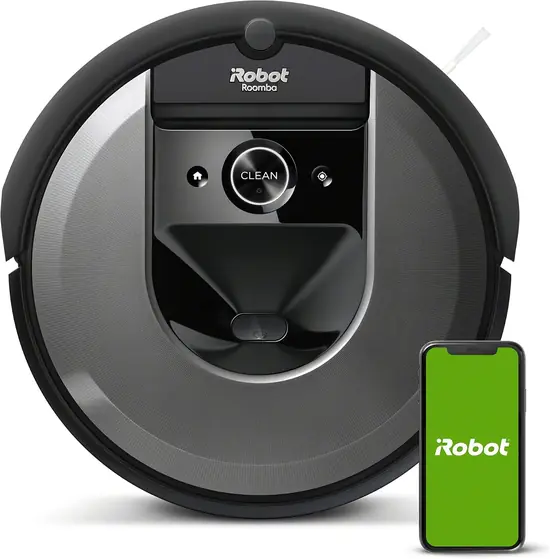
Roomba i7
A connected robot with smart mapping and app control. In addition, it can support structured room-by-room cleaning for homes that benefit from organized schedules.
Buy on Amazon ›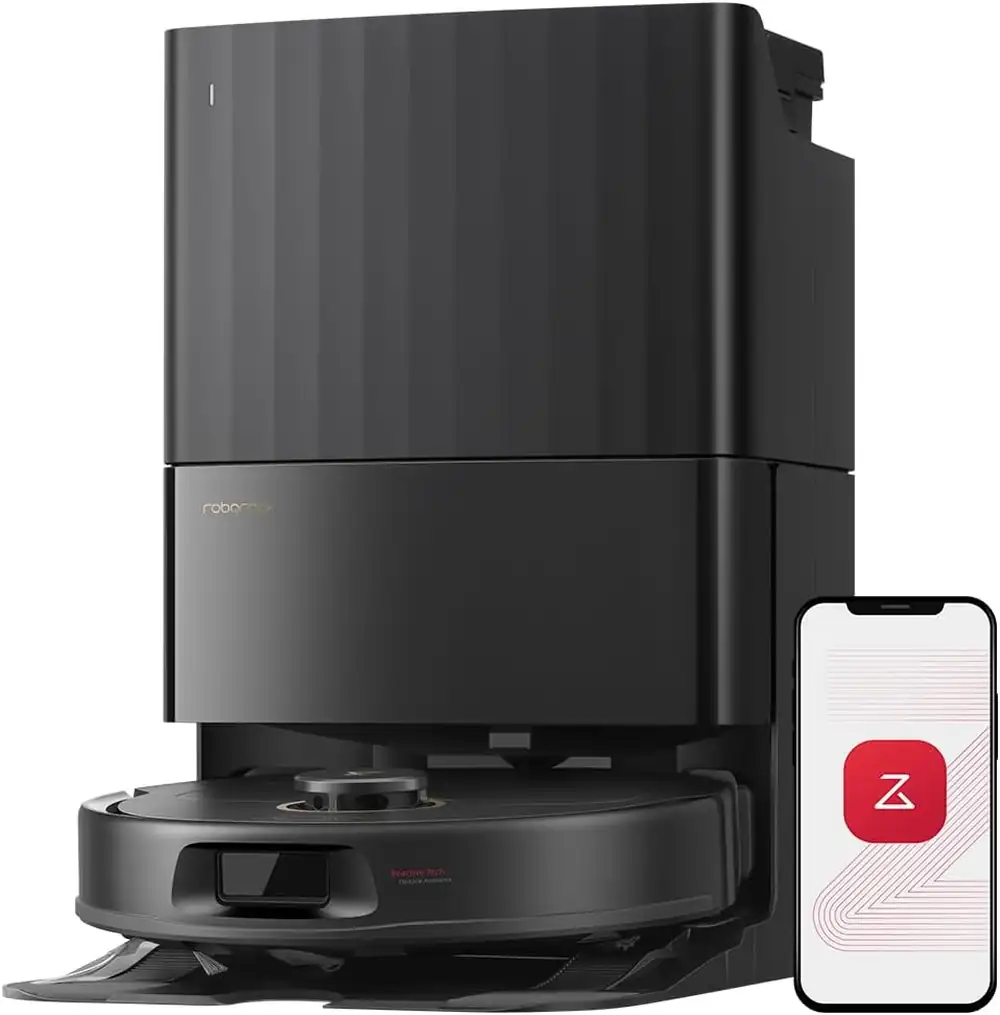
Qrevo S5V
A multifunction robot designed for automated vacuuming and mopping. As a result, it can suit homes looking for a more integrated approach to everyday floor care.
Buy on Amazon ›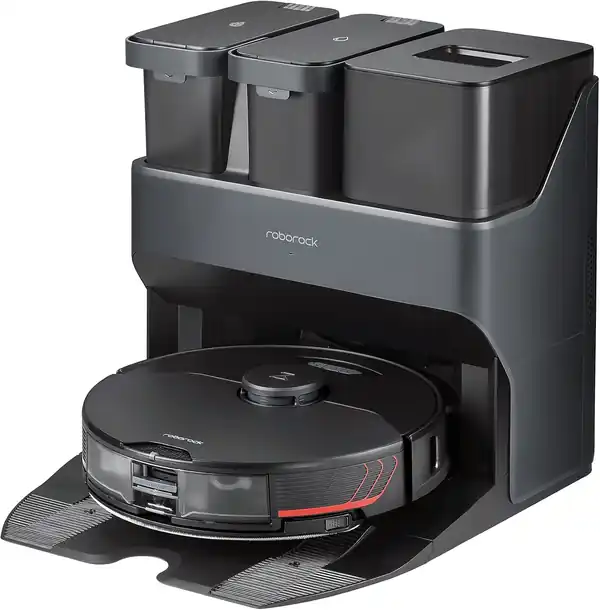
S7 MaxV Ultra
This model combines vacuuming, mopping, obstacle avoidance and an automated dock. In practice, that combination is aimed at reducing routine maintenance between cleaning sessions.
Buy on Amazon ›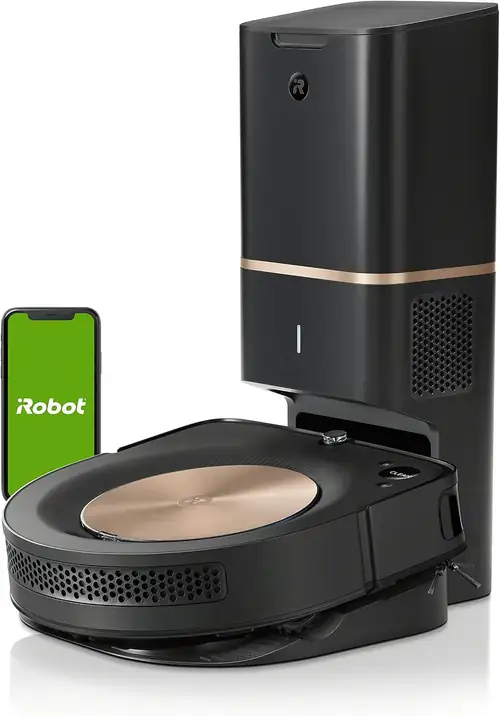
Roomba s9+
Designed for homes that prioritize strong cleaning performance, advanced mapping and automatic dirt disposal. It is particularly relevant for carpets and pet-hair cleaning needs.
Buy on Amazon ›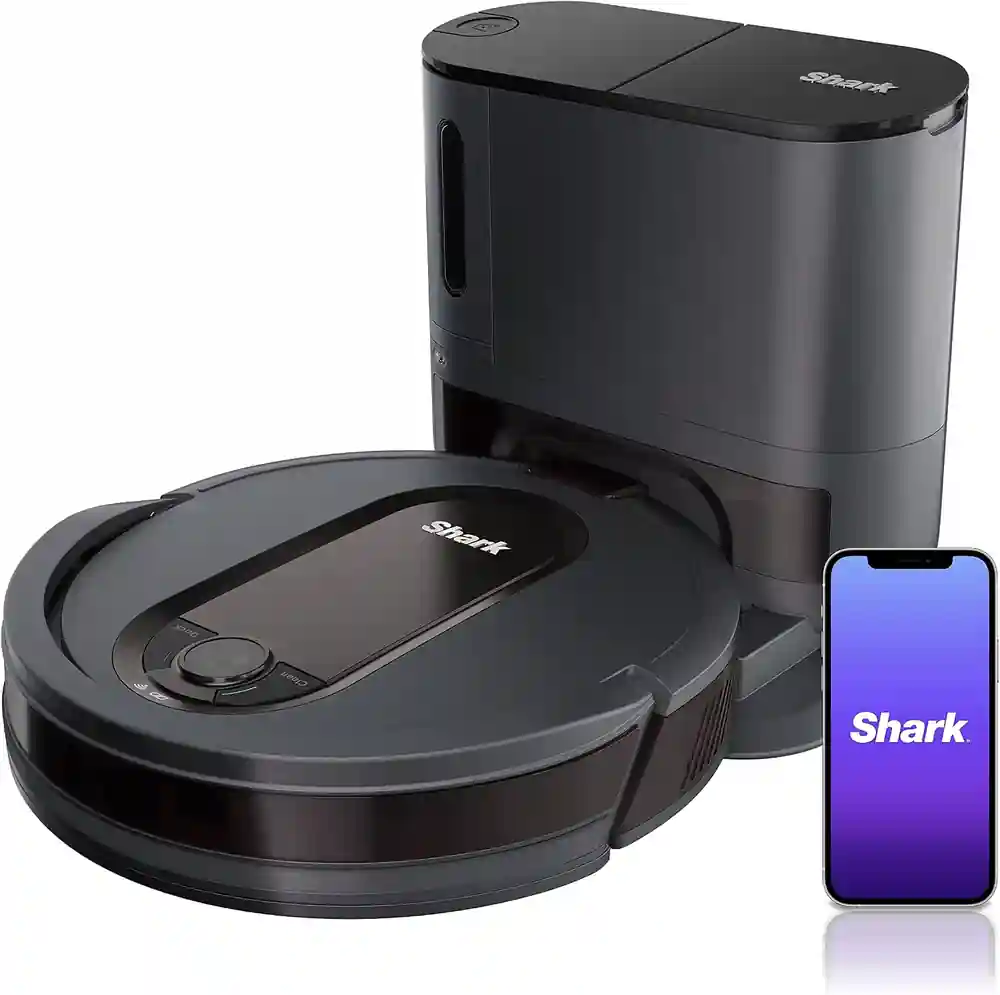
Shark EZ Robot Vacuum
A practical self-emptying robot for everyday floor cleaning. In addition, its automated dust disposal can reduce the need for frequent manual emptying.
Buy on Amazon ›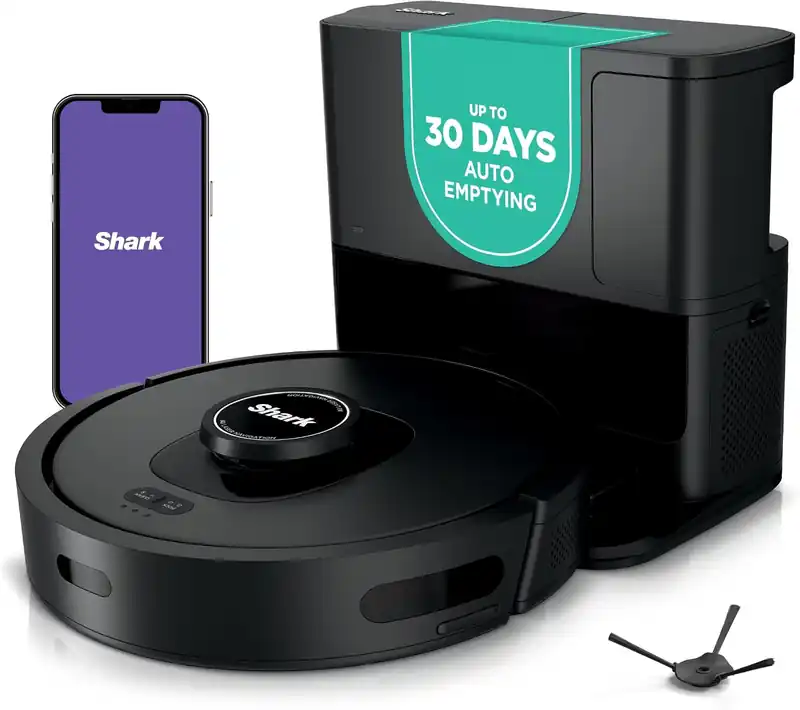
Shark AI Ultra
A self-emptying robot focused on intelligent navigation, everyday vacuuming and pet-hair cleaning. As a result, it can be relevant for homes that want additional automation without moving to a more complex system.
Buy on Amazon ›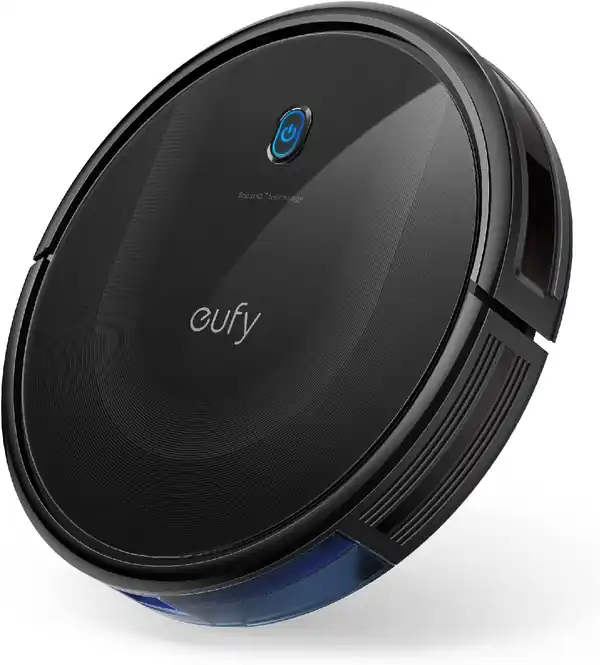
RoboVac 11S MAX
A slim, straightforward robot aimed at everyday cleaning with simple operation. For users who do not need connected features, its basic approach can be easier to manage.
Buy on Amazon ›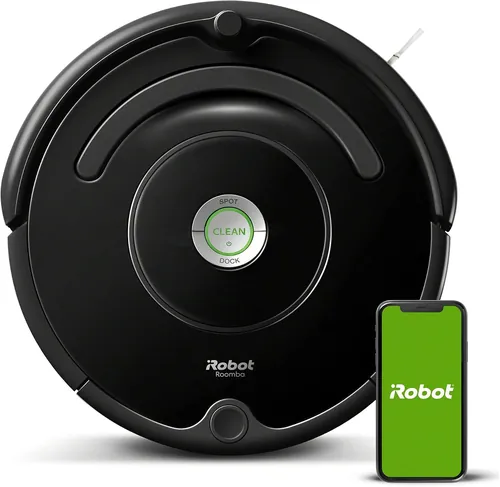
Roomba 675
A basic connected robot with 3-Stage Cleaning and Dirt Detect. Moreover, app or voice-assistant control adds connected features for routine everyday cleaning.
Buy on Amazon ›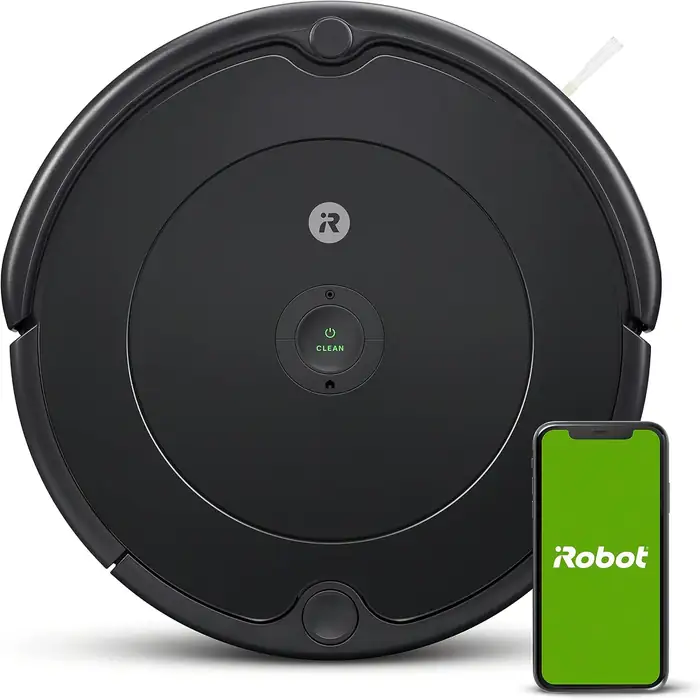
Roomba 694
An accessible connected robot with Dirt Detect and automatic return to base. It also uses adaptive cleaning for routine work across carpets and hard floors.
Buy on Amazon ›Compare Our Top Robot Vacuums at a Glance
| Robot Vacuum | Best For | Pets | Carpets | Mopping | Automation | Price Level |
|---|---|---|---|---|---|---|
| Roomba i7 | Smart Mapping | Very Good | Very Good | No | High | $$$ |
| Roborock Qrevo S5V | Vacuum & Mopping | Very Good | Very Good | Yes | High | $$$ |
| Roborock S7 MaxV Ultra | Maximum Automation | Very Good | Very Good | Yes | Maximum | $$$$ |
| Roomba s9+ | Deep Cleaning | Excellent | Excellent | No | High | $$$$ |
| Shark EZ Robot Vacuum | Self-Emptying | Good | Good | No | High | $$ |
| Shark AI Ultra | Pets & Navigation | Very Good | Very Good | No | High | $$$ |
| eufy RoboVac 11S MAX | Simple Budget Cleaning | Good | Good | No | Basic | $ |
| Roomba 675 | Basic Connected Cleaning | Good | Good | No | Basic | $ |
| Roomba 694 | Everyday Budget Cleaning | Good | Good | No | Basic | $ |
How to Find the Right Robot for Your Home
Start with the priority that best matches your home. Then use the recommendation to narrow down the models that fit your cleaning needs.
Your recommendation will appear here
Choose the factor that matters most to your home, and the matching recommendation will appear here.
Are Robot Vacuums Actually Worth It in 2026?
For most households, yes. A robot vacuum can reduce the amount of routine floor cleaning required each week, especially when it is used as a consistent maintenance tool rather than as a complete replacement for every type of vacuuming.
What Can a Robot Vacuum Realistically Do Every Day?
Instead of waiting for dust, crumbs and pet hair to build up, scheduled cleaning can help keep floors maintained throughout the week.
What Can a Robot Vacuum Realistically Do Every Day?
Daily Dust
Frequent cleaning makes it less likely for everyday dust and debris to accumulate in regularly used rooms.
Crumbs & Small Messes
Likewise, a regular schedule can remove crumbs and small debris before they have more time to spread across the floor.
Pet Hair
For households with pets, frequent cleaning can help manage loose hair, particularly across hard floors and open areas.
Floor Maintenance
Most importantly, consistency is the main benefit: regular cleaning helps maintain floors between more thorough sessions.
The Practical Difference Between Automated and Manual Cleaning
Cleaning happens when you have time.
- Dust and debris gradually build up
- Pet hair can accumulate between cleaning sessions
- Manual vacuuming is easy to postpone
- Floors may therefore be cleaned less consistently
Cleaning becomes part of the daily routine.
- Regular automated cleaning sessions
- Less visible debris between deeper cleans
- More consistent floor maintenance
- Less time spent on routine vacuuming
Can a Robot Vacuum Replace a Regular Vacuum Cleaner?
For everyday floor maintenance, a robot vacuum can handle much of the routine work. However, a traditional vacuum remains useful for situations that require more direct or specialized cleaning.
Regular automated cleaning can reduce how often you need to manually vacuum open floor areas.
Stairs, tight spaces, upholstery and occasional intensive cleaning can still require manual work.
Where Manual Cleaning Is Still Needed
Even with automated cleaning, brushes, filters and other components still need occasional cleaning and maintenance.
Because robot vacuums are designed for floors, they cannot independently clean stairs or elevated surfaces.
Some tight corners and areas around furniture may still require occasional manual cleaning.
Before cleaning, cables, small objects and clutter may occasionally need to be moved out of the robot’s path.
Why Consistency Matters More Than Suction Power
The main value of a robot vacuum is consistency. For example, a capable robot used several times each week can help keep floors maintained more regularly than a traditional vacuum that is only used occasionally.
In practice, consistent cleaning can matter more than occasional intensive cleaning.Who Benefits Most From a Robot Vacuum?
Homes that need regular maintenance.
- Busy households
- Homes with pets
- Larger homes with open floor areas
- Hard-floor households
- People who want less daily cleaning
Homes with limited daily cleaning needs.
- Very small living spaces
- Homes with many floor obstacles
- Homes cleaned manually every day
- People who only need occasional cleaning
- Homes with very limited open floor space
So, Are Robot Vacuums Worth It in 2026?
Yes — for most people, particularly when the goal is to reduce routine cleaning rather than eliminate manual cleaning entirely. Ultimately, the best robot vacuum is the one that fits your home, your floors and the amount of maintenance you want to handle.
How We Compare Robot Vacuums
Not every robot vacuum is designed for the same type of home. For that reason, our comparison looks at the areas that have the biggest impact on everyday cleaning, convenience and long-term value.
Eight Factors That Separate a Great Robot Vacuum from an Average One.
Rather than focusing on a single specification, such as suction power, we look at how each robot is designed to function as a complete cleaning system. As a result, a strong specification in one area does not automatically make a robot the right choice for every home.
Cleaning Performance Across Different Floor Types
Cleaning capability depends on the surfaces being cleaned and the design of the individual model. Therefore, we look at how the available features address everyday dust, crumbs and debris across common household floors.
Navigation & Obstacle Avoidance
Navigation technology affects coverage, room mapping and the amount of supervision that may be required. In addition, different models use different navigation and obstacle- avoidance systems.
Hair & Brush Tangling
Hair and pet hair can increase maintenance requirements. For this reason, we look at brush design, available anti-tangle technologies and the maintenance associated with each model.
Carpet Pickup Performance
Carpet cleaning involves more than advertised suction. Instead, we consider brush design, surface detection and the features available for different carpet types.
Mopping Results
For hybrid models, mopping depends on the system used, water management and the available automation. Therefore, we consider these features when assessing routine floor maintenance.
Automation & Dock Features
Dock systems can reduce routine maintenance significantly. In particular, we compare the available features for dust disposal, mop care, water management and everyday operation.
Maintenance & Long-Term Costs
The purchase price is only one part of ownership. Over time, filters, brushes, bags, cleaning supplies and other maintenance requirements can also affect the overall cost.
Value for Money
A higher price does not automatically mean better value. Instead, we consider the combination of useful features, cleaning capabilities, ownership requirements and the type of home each model is intended to serve.
The Best Robot Is Not Always The Most Expensive One.
Our recommendations are based on how each robot’s features, capabilities and ownership requirements align with different types of homes. For example, one model may suit a home with pets, while another may be better suited to carpets, automation or value.
Compare the available information across all eight factors.
Next, consider useful features alongside price and ownership.
Finally, match each robot to the type of home it is designed to serve.
Our Top Pick The Best Robot Vacuum Overall
After comparing cleaning performance, navigation, automation, carpet pickup and everyday convenience, the Roborock S7 MaxV Ultra stands out as a strong all-around choice for homes that want advanced cleaning features with a high level of automation.

Roborock S7 MaxV Ultra
The Roborock S7 MaxV Ultra combines intelligent navigation, strong cleaning capabilities, VibraRise mopping technology and an automated dock. Together, these features are designed to reduce routine maintenance while covering several cleaning tasks in one system.
ReactiveAI 2.0 combines navigation and obstacle recognition to help the robot navigate around everyday household objects.
Its cleaning system is designed for everyday dust and debris across hard floors and carpets. Therefore, it can suit homes with mixed floor types.
The Ultra dock can automatically empty the dustbin, wash the mop and refill the robot’s water supply. As a result, several routine maintenance tasks can be handled by the dock.
Why We Picked This Model First
A Strong Overall Balance
The S7 MaxV Ultra brings together cleaning, navigation, mopping and dock automation rather than concentrating on just one area.
Advanced Navigation
Its ReactiveAI 2.0 system is designed to recognize and navigate around common household obstacles. This can be useful in homes with multiple rooms.
Automated Maintenance
The Ultra dock handles several routine tasks, including dust disposal, mop washing and water refilling. Consequently, less manual dock maintenance is required during normal use.
Complete Cleaning System
Vacuuming and VibraRise mopping are combined with navigation and dock automation in one system. This makes the feature set particularly comprehensive.
Where It Performs At Its Best
- Advanced navigation can be useful in homes with multiple rooms and everyday obstacles.
- Vacuuming and mopping are combined within the same system.
- Automated dock features can reduce routine maintenance.
- Overall, the model suits users looking for a highly automated cleaning system.
Where Another Model May Make More Sense
- Its advanced feature set may be unnecessary for smaller homes with straightforward cleaning needs.
- Buyers focused primarily on purchase cost can consider simpler alternatives.
- Likewise, users who do not need mopping or extensive automation may have little reason to choose the complete system.
You Should Consider It If…
Another Robot May Be Better If…
Roborock S7 MaxV Ultra
A highly automated robot vacuum that combines advanced navigation, vacuuming, mopping and dock automation. Overall, it is designed for users looking for a more complete cleaning system.
Robot Vacuum Ownership: What to Expect
A robot vacuum can change how you maintain your floors, but ownership does not mean removing cleaning from your routine completely. In practice, the experience depends on what the robot can automate, what still requires attention and how well it fits your home.
It Changes How You Maintain Floors
A robot vacuum can help with regular floor maintenance by handling routine cleaning sessions on a schedule. As a result, less debris may build up between manual cleaning sessions.
However, its role is different from handling every cleaning task in a home. Stairs, tight areas and occasional deeper cleaning can still require attention outside the robot’s normal cleaning routine.
Scheduled cleaning can help maintain floors between more traditional cleaning sessions.
Physical limitations such as stairs and certain inaccessible areas remain outside a robot’s normal cleaning range.
Therefore, a robot can reduce routine work without eliminating every cleaning task in the home.
Less Routine Work. Not Zero Work.
Depending on the robot and its dock, automation can reduce certain routine tasks. For example, some models can automatically empty collected debris, while more advanced systems can also automate parts of the mopping process.
- Automation can reduce some repetitive tasks.
- The amount of automation depends on the specific model and dock.
- Ultimately, automation changes the routine rather than eliminating all responsibility.
The System Still Needs Attention
Even automated systems require periodic maintenance. Depending on the model, components such as brushes, filters, sensors and dock parts may need cleaning or replacement.
- Components can require periodic cleaning.
- In addition, some consumable parts may eventually need replacement.
- The dock itself may also require periodic maintenance.
Your Home Still Determines The Experience
Although specifications describe what a robot is designed to do, they do not fully predict how the system will work in every home.
For example, furniture layout, obstacles, thresholds and accessible floor space can all influence how smoothly a robot moves through its environment.
Consequently, the same robot can deliver a different ownership experience depending on the environment where it is used.
The goal is not to eliminate cleaning altogether.
Ultimately, the practical value of a robot vacuum is helping maintain cleaner floors with less day-to-day manual effort while handling the routine tasks it is physically capable of performing.
Final Verdict: Which Robot Vacuum Should You Buy?
There is no single robot vacuum that makes the most sense for every home. Instead, the right choice depends on what matters most to you, whether that is navigation, automation, pet hair, carpets, hard floors, simplicity or price.
Start With Your Biggest Priority
Rather than choosing based on the longest feature list, start with the cleaning challenge or ownership experience that matters most in your home.
Buy the robot that solves the biggest problem in your home.
More features do not necessarily make a robot vacuum the right choice for every buyer. Instead, the most useful purchase is the one that best fits your floors, cleaning routine, environment and budget.
For advanced navigation and automated maintenance, the Roborock S7 MaxV Ultra is our featured overall pick.
However, if another priority matters more in your home, another model in this comparison may be a better fit. Therefore, choose based on the problem you want the robot to solve rather than simply on the number of features listed on the box.
Frequently Asked Questions
Answers to the most important questions buyers ask before choosing a robot vacuum for their home.
Pour les foyers avec des animaux, il est utile de regarder l’efficacité de l’aspiration, la conception des brosses, la gestion des poils ainsi que la capacité du bac ou de la station. Dans cette sélection, le Roomba s9+ est particulièrement adapté aux foyers où les tapis et les poils d’animaux représentent une part importante du nettoyage.
L’autonomie varie selon le modèle, le mode de nettoyage, le type de sol et les conditions d’utilisation. De même, le temps de recharge dépend du modèle. Pour comparer ces données correctement, il est préférable de consulter les spécifications du fabricant plutôt que de se baser uniquement sur une durée annoncée.
Certains modèles disposent de systèmes de cartographie capables de mémoriser plusieurs pièces et, selon le modèle et son logiciel, plusieurs cartes. Toutefois, la prise en charge de plusieurs étages n’est pas identique sur tous les robots. Il faut donc vérifier les fonctions de cartographie spécifiques du modèle avant l’achat.
Les modèles équipés d’une fonction serpillière peuvent, selon leur conception, combiner aspiration et nettoyage humide. Cependant, le fonctionnement exact dépend du système utilisé. Certains disposent également d’une station capable d’automatiser une partie de l’entretien des serpillières.
Les robots utilisent différents systèmes pour se déplacer et comprendre leur environnement. Selon le modèle, cela peut inclure la cartographie, différents capteurs, la navigation laser ou des systèmes de détection d’obstacles. Par conséquent, le comportement du robot dépend à la fois de la technologie utilisée et de l’environnement du logement.
Les modèles équipés d’une station de vidage automatique peuvent transférer les poussières collectées vers un réservoir ou un sac situé dans la station. Dans cette sélection, cette fonction est notamment disponible sur le Roborock S7 MaxV Ultra, le Roomba s9+ ainsi que certains modèles Shark avec leur station correspondante.
L’efficacité sur tapis et moquettes dépend notamment de l’aspiration, de la conception des brosses et du type de tapis. Dans cette sélection, le Roomba s9+ constitue une option particulièrement pertinente pour les foyers où les tapis et moquettes occupent une place importante dans les surfaces à nettoyer.
Le coût d’entretien dépend du modèle et des pièces nécessaires. Les filtres, brosses, sacs de station et autres consommables peuvent nécessiter un nettoyage ou un remplacement périodique. Avant l’achat, il est donc utile de vérifier la disponibilité ainsi que le prix des pièces de remplacement.
Cela dépend du modèle. Certains robots peuvent être contrôlés depuis une application mobile et prennent également en charge des assistants vocaux comme Amazon Alexa ou Google Assistant. Toutefois, les fonctions disponibles varient selon le fabricant et le modèle.
Commencez par la taille et la configuration de votre logement, puis déterminez le niveau d’automatisation dont vous avez réellement besoin. Par exemple, un petit logement avec des besoins simples peut ne pas nécessiter une station avancée. À l’inverse, un logement plus grand avec plusieurs types de sols, des animaux ou des besoins d’automatisation plus importants peut justifier un modèle plus complet.
Start with your home, then choose the robot.
Ultimately, the right robot vacuum depends on your floors, cleaning challenges, home environment, maintenance needs and budget rather than simply on the number of features listed on the box.